Photo: Rhododendrites , CC BY-SA 4.0 , via Wikimedia Commons Every week, someone books a hotel "in New York" that turns out to be a shuttle ride from an airport runway, and their whole trip inherits the mistake. Where you sleep in this city shapes everything: what you see out the window, where you eat breakfast, how much of your vacation you spend underground on the subway. The good news is that there's no single right answer — there's a right answer for you. Let's find it. First trip? Stay central, but not that central Midtown makes sense for first-timers: you can walk to Times Square, Broadway theaters, Rockefeller Center, and Central Park, and every train line in creation passes underneath. The trade-off is soul. Much of Midtown empties after office hours and the blocks immediately around Times Square never stop being Times Square. My compromise pick: stay south of the chaos, in the 20s and 30s — NoMad, Flatiron, Chelsea. You're fifteen minutes from ev...
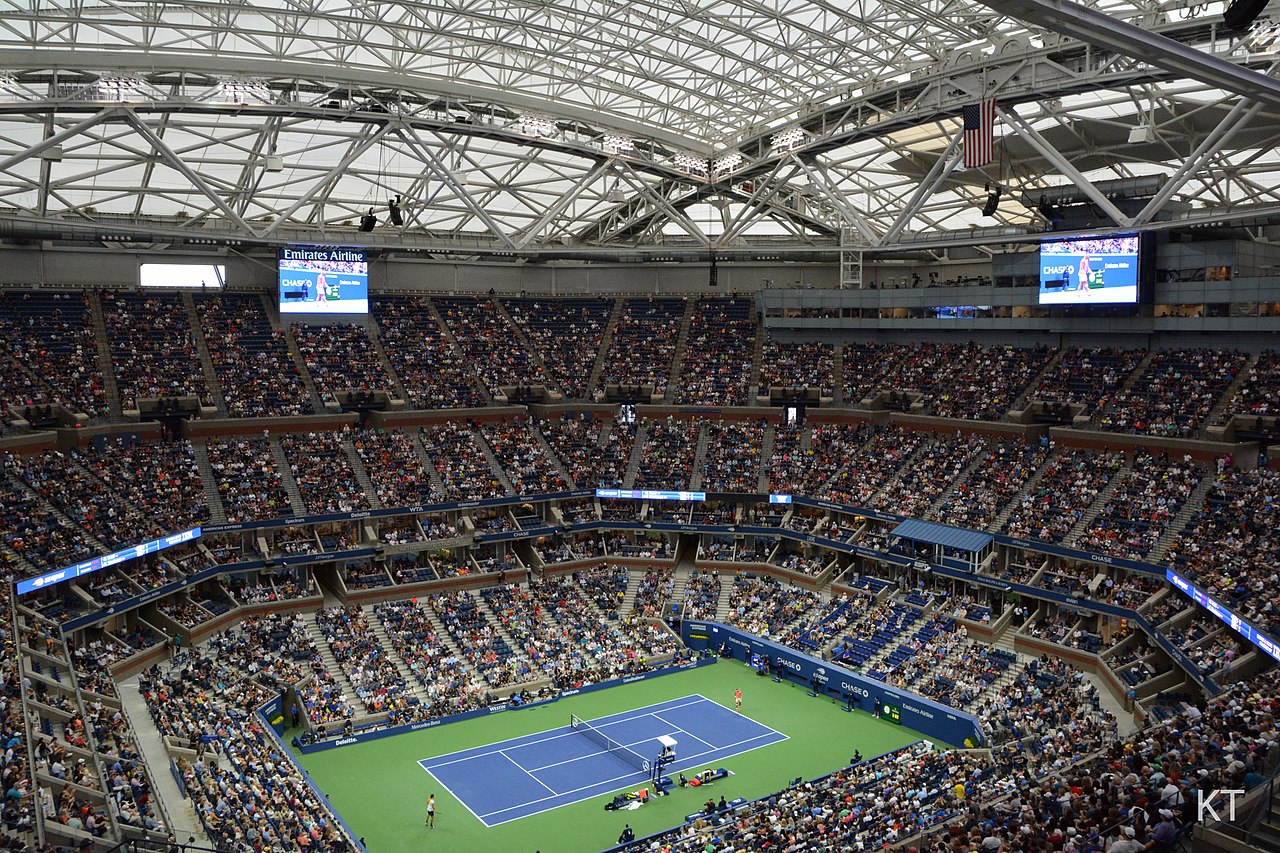
Photo: Carine06, CC BY-SA 2.0, via Wikimedia Commons
.jpg)
Here's a secret that somehow still hasn't gotten out: for one week every summer, the US Open lets you in for free. Not a watered-down fan festival, either. Real professional tennis, on the real courts in Flushing Meadows, with some of the best players in the world fighting for a spot in the main draw. It's called Fan Week, it runs August 23 through 29 this year, and if you're in New York during that stretch you'd be a little crazy to skip it.
The free week nobody talks about
Fan Week is essentially the tournament's opening act. The centerpiece is qualifying, played Monday through Thursday (August 24–27), where 128 men and 128 women battle for the last 16 spots in each singles draw. These aren't nobodies. Qualies are full of rising teenagers, former top-20 players coming back from injury, and veterans you'll recognize the moment you see them. You can sit close enough to hear the ball being struck properly, which changes how you understand tennis on TV forever.
You do need a free Fan Access Pass to get onto the grounds, so register online before you go. A few marquee events during the week are ticketed separately — this year that includes a Roger Federer exhibition on Tuesday night and the Stars of the Open show on Thursday. Arthur Ashe Kids' Day opens the week on Sunday, August 23, and it's an easy win if you're traveling with children.
When the real thing starts
The main draw runs from Sunday, August 30 through the men's final on September 13, with the women's final the day before. Tickets work in tiers. A grounds pass is the best value in American sports: it gets you into every court except Arthur Ashe Stadium, and in the first week that means you can wander from match to match all day long. Louis Armstrong Stadium and the Grandstand both admit grounds-pass holders, and the outer courts put you absurdly close to the action.
Ashe seats are a different animal, priced accordingly. My advice? Go early in the tournament with a grounds pass and stay for hours. The famous night matches are electric, but a random Tuesday afternoon in week one, drifting between five simultaneous matches with a drink in hand, is the version of the Open that people fall in love with.
Getting there without losing your mind
The tennis center sits in Flushing Meadows Corona Park, Queens, right next to Citi Field. Take the 7 train to Mets–Willets Point — it drops you at a boardwalk that leads straight to the gates. The Long Island Rail Road also stops at Mets–Willets Point if you're coming from Penn Station or Grand Central. Driving is technically possible and practically a punishment. Skip it. Our guide to getting around the city covers the subway basics if you're new here.
What it actually costs once you're inside
Budget more for food and drink than feels reasonable. Stadium concessions are priced like stadium concessions, and the signature Honey Deuce cocktail has become a $20-something ritual that people line up for anyway. You can bring an empty water bottle and refill it, which I'd recommend in the late-August heat. Sunscreen and a hat are not optional; there's very little shade on the outer courts in the middle of the day.
Make a day of Queens while you're at it
One more reason to love the Open: it drags visitors out to Queens, and Queens rewards them. The 7 train back toward Manhattan passes through Flushing's incredible Chinatown (one stop east, actually, at Main Street) and Jackson Heights, two of the best eating neighborhoods in New York. Come for the tennis, stay for dumplings — we wrote a whole guide to exploring Queens that pairs nicely with a day at the Open. And if you want more of the city's sports calendar beyond tennis, our NYC sports guide has you covered.
Two weeks of top-tier tennis, a free opening act, and some of the best food in the city ten minutes away. Late summer in New York doesn't get much better.
Comments
Post a Comment