Photo: Rhododendrites , CC BY-SA 4.0 , via Wikimedia Commons Every week, someone books a hotel "in New York" that turns out to be a shuttle ride from an airport runway, and their whole trip inherits the mistake. Where you sleep in this city shapes everything: what you see out the window, where you eat breakfast, how much of your vacation you spend underground on the subway. The good news is that there's no single right answer — there's a right answer for you. Let's find it. First trip? Stay central, but not that central Midtown makes sense for first-timers: you can walk to Times Square, Broadway theaters, Rockefeller Center, and Central Park, and every train line in creation passes underneath. The trade-off is soul. Much of Midtown empties after office hours and the blocks immediately around Times Square never stop being Times Square. My compromise pick: stay south of the chaos, in the 20s and 30s — NoMad, Flatiron, Chelsea. You're fifteen minutes from ev...
Ask ten New Yorkers where to shop and you will get ten different answers, because the honest one is "it depends on what you are after." This is a city where you can try on a $4,000 coat at a Fifth Avenue flagship and, twenty minutes later, dig a $12 one out of a bin in Greenpoint — and plenty of people do exactly that in a single Saturday. Below is how we think about shopping the city: by mood and budget, not by a tidy list of stores.

Photo via Unsplash
The Iconic Avenues
Fifth Avenue is the headline act — the flagship stores, the luxury houses, and window displays that turn into genuine free entertainment around the holidays. Even if your budget stops at a hot dog, walking the stretch from Rockefeller Center up past the Plaza is part of the New York experience. A few blocks east and north you hit the grand department stores, Bloomingdale’s and Saks among them, the kind of multi-floor institutions that are destinations whether or not you buy a thing.
Our take: treat this part of town as theater first and shopping second. Go for the spectacle, the people-watching, and the architecture, and let any actual purchase be a happy accident.
SoHo and NoLita: Style Central
SoHo is where fashion actually lives in Manhattan. The cast-iron buildings along Broadway and the side streets house everything from global flagships to small independent labels, with cobblestones and sidewalk vendors filling the gaps. It gets genuinely packed on weekends, so if you can come on a weekday morning you will have room to browse. Drift east into NoLita and the pace slows down — smaller boutiques, less foot traffic, and the kind of one-off shops that reward wandering without a map.
Vintage and Thrift: The Real Treasure Hunt
This is where shopping in New York gets fun for the budget-minded, and where we spend most of our own time. The city’s secondhand scene is concentrated heavily in Brooklyn — Williamsburg, Greenpoint, and Bushwick — and in the East Village, ranging from tightly curated vintage boutiques to sprawling, dig-through-the-racks thrift stores. Patience and a good eye are the whole game: the reward is a jacket, a record, or a lamp that nobody else has, usually for a fraction of retail.
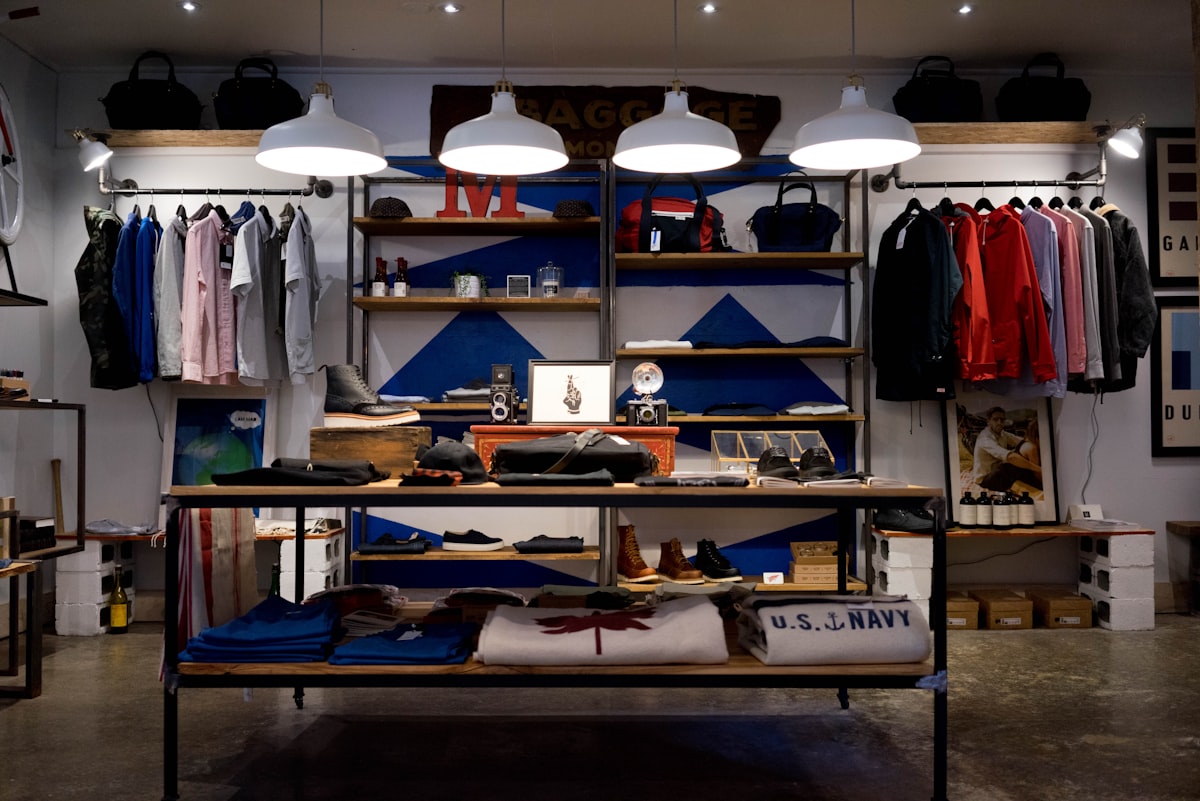
Markets, Pop-Ups, and Bookstores
New York’s markets are shopping at its most characterful. Weekend flea markets, craft fairs, and seasonal pop-ups put handmade goods, vintage finds, art, and food in one place, and because the makers sell directly, they are unbeatable for souvenirs you will not see in any airport gift shop. The lineup rotates by season, so it is always worth checking what is running during your visit.
And do not skip the specialists. The Strand, with its self-described eighteen miles of books, is a destination in its own right, and the city is dotted with record stores, comic shops, and oddball single-subject stores that are some of the most charming places to browse anywhere — rainy-day shopping at its best.
A Few Things We Have Learned
A handful of habits make shopping here smoother. Remember that the price on the tag is not the price at the register — sales tax gets added on top, though clothing and footwear under a certain amount are exempt, which quietly helps on smaller buys. Shop weekdays if you can, leave real room in your luggage because you will buy more than you planned, and pair the high with the low: a window-shopping stroll down Fifth followed by a thrift dig in Brooklyn is the whole city in one afternoon.
Frequently Asked Questions
Where should a first-time visitor start?
For a single afternoon, pair SoHo for browsing with a walk up Fifth Avenue for the spectacle. If you have an extra day and a taste for the hunt, add a vintage crawl through Williamsburg or the East Village.
Is there sales tax on clothing in New York City?
Clothing and footwear priced under $110 per item are exempt from sales tax in NYC. Above that threshold, and on most other goods, the combined city and state sales tax applies, so budget a little extra at the register.
Where do locals actually find bargains?
Sample sales, thrift and vintage shops in Brooklyn and the East Village, and end-of-season clearance racks. Following a few favorite shops on social media is the easiest way to catch sample-sale dates before they sell out.
When is the best time of year to shop?
The deepest discounts land just after the winter holidays and during end-of-summer clearances. For atmosphere rather than deals, the weeks before Christmas turn the avenues into a free light show.
Found a shop or market you think belongs in this guide? Our editorial team refreshes it regularly — send us a tip through the contact page. Last updated: June 16, 2026.
Comments
Post a Comment