There's a particular thrill to pushing through what looks like a phone booth in a hot dog shop and finding a candlelit bar on the other side. That's not a metaphor — it's literally how you get into Please Don't Tell on St. Marks Place, and it captures something true about New York's speakeasy obsession. Born during Prohibition and revived with real gusto over the last two decades, the hidden bar has become an art form here. This is our guide to that secret world, and how to actually get in. A Short History of the Speakeasy The original speakeasies sprang up after the Volstead Act took effect in 1920, when selling alcohol became illegal and drinkers gathered in concealed rooms that operated in plain sight. New York, never especially fond of being told what it could do, became home to thousands of them — from basement clubs in Harlem to backroom bars downtown. One of the few that survived the era in spirit is The Back Room on the Lower East Side, which still serves co...
There's a particular thrill to pushing through what looks like a phone booth in a hot dog shop and finding a candlelit bar on the other side. That's not a metaphor — it's literally how you get into Please Don't Tell on St. Marks Place, and it captures something true about New York's speakeasy obsession. Born during Prohibition and revived with real gusto over the last two decades, the hidden bar has become an art form here. This is our guide to that secret world, and how to actually get in.
A Short History of the Speakeasy
The original speakeasies sprang up after the Volstead Act took effect in 1920, when selling alcohol became illegal and drinkers gathered in concealed rooms that operated in plain sight. New York, never especially fond of being told what it could do, became home to thousands of them — from basement clubs in Harlem to backroom bars downtown.
One of the few that survived the era in spirit is The Back Room on the Lower East Side, which still serves cocktails in teacups as a nod to the days when bartenders had to disguise the evidence. When the modern craft-cocktail revival took hold in the mid-2000s — led by bars like Milk & Honey — bartenders looked back to that era for inspiration, reviving forgotten recipes and the romance of the hidden room.
How to Find a Hidden Bar
Part of the fun is the search. Please Don't Tell (PDT) is entered through a vintage phone booth inside Crif Dogs; Attaboy on Eldridge Street has no sign at all, just a metal door you have to know to knock on; and Bathtub Gin hides behind a working coffee shop counter in Chelsea. A little research, or a tip from a bartender at one spot pointing you to the next, goes a long way.
A few practical notes: many of these places are small and take no reservations, so go early or expect a wait, especially on weekends. PDT and Attaboy in particular fill up fast. Once inside, the mood shifts — these rooms tend to be small, dim, and built for conversation rather than crowds, and several quietly discourage loud groups and phone photography in service of the atmosphere.
What to Order and Expect
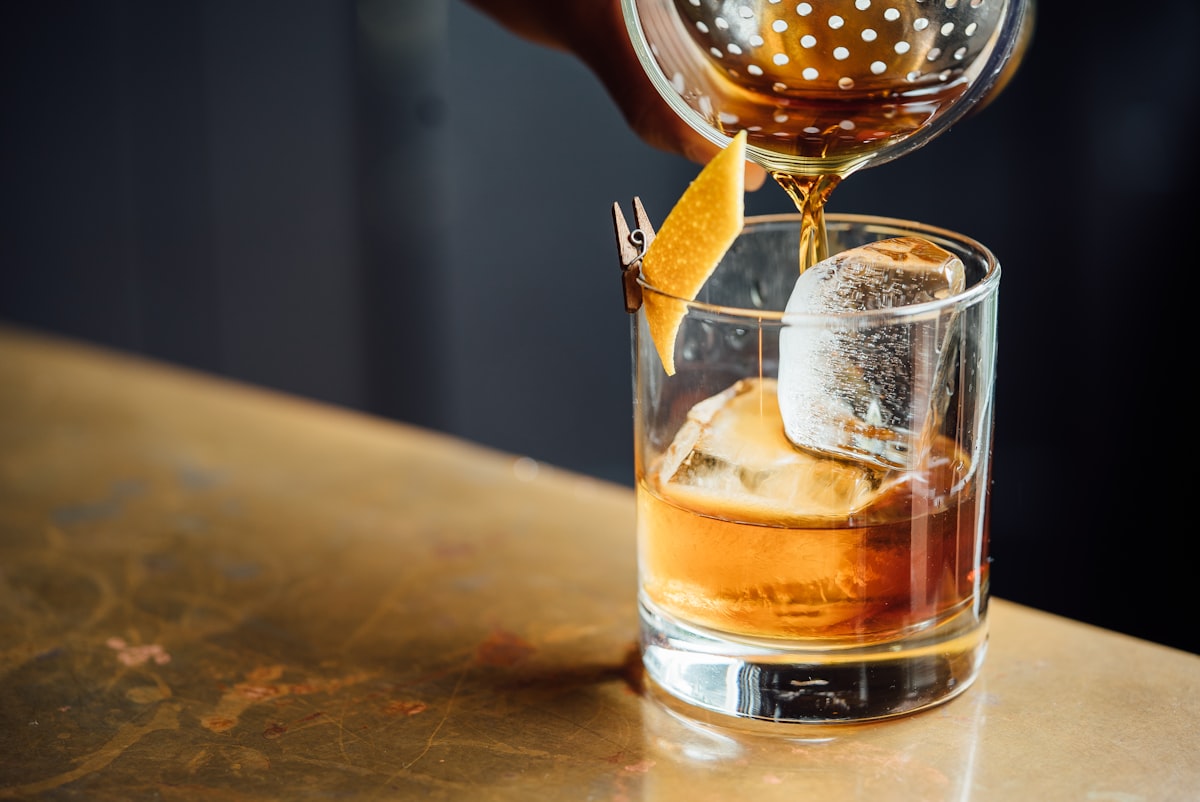
These bars are temples to the craft cocktail, so this is the place to trust the bartender. At Attaboy there's no menu at all — you tell them what spirits you like and how you're feeling, and they build something for you on the spot. Expect to pay around $18–$22 a drink, which reflects the rare spirits, house-made syrups, and the time that goes into each one. These are places to slow down and savor one or two exceptional cocktails rather than order a round and move on.
Neighborhoods to Explore
The Lower East Side and East Village are the spiritual home of the scene, packed with hidden doors within a few blocks of each other — you could plan an entire crawl around PDT, Attaboy, and Bar Goto without walking far. The West Village and Chelsea bring a slightly more polished version, with Employees Only (look for the psychic's neon sign out front) and Bathtub Gin. For something darker and more serious about the craft, Death & Co in the East Village helped write the modern cocktail playbook.
Drinking Behind Hidden Doors, Responsibly
Half the charm of these places is that they reward curiosity over a guidebook checklist. Wander, ask the person behind the bar where they'd go next, and don't try to hit five in one night — one or two done slowly is the whole point. And as always in the city, plan your trip home; the subway runs all night, and these neighborhoods are well served by the F, J, and L lines.
Frequently Asked Questions
What is the most famous speakeasy in NYC?
Please Don't Tell (PDT) in the East Village is probably the best known, entered through a vintage phone booth inside the Crif Dogs hot dog shop on St. Marks Place. Attaboy on the Lower East Side and Employees Only in the West Village are other standouts.
Do I need a reservation for a speakeasy in New York?
It varies. PDT takes same-day reservations by phone, while spots like Attaboy are walk-in only. Many hidden bars are small and fill up quickly, so arriving early in the evening or on a weeknight gives you the best shot at a seat.
How much do cocktails cost at these bars?
Expect roughly $18 to $22 per cocktail at the better-known craft spots. The price reflects premium spirits, house-made ingredients, and the care that goes into each drink, so plan to savor one or two rather than order several.
What should I order at a speakeasy?
Trust the bartender. At menu-free bars like Attaboy you simply describe what you enjoy — a spirit, a flavor, a mood — and let them create something for you. It's the best way to experience what these places do well.
Last updated: June 16, 2026. Bar details and entry methods change — it's worth a quick check before you go.
Comments
Post a Comment