Photo: Rhododendrites , CC BY-SA 4.0 , via Wikimedia Commons Every week, someone books a hotel "in New York" that turns out to be a shuttle ride from an airport runway, and their whole trip inherits the mistake. Where you sleep in this city shapes everything: what you see out the window, where you eat breakfast, how much of your vacation you spend underground on the subway. The good news is that there's no single right answer — there's a right answer for you. Let's find it. First trip? Stay central, but not that central Midtown makes sense for first-timers: you can walk to Times Square, Broadway theaters, Rockefeller Center, and Central Park, and every train line in creation passes underneath. The trade-off is soul. Much of Midtown empties after office hours and the blocks immediately around Times Square never stop being Times Square. My compromise pick: stay south of the chaos, in the 20s and 30s — NoMad, Flatiron, Chelsea. You're fifteen minutes from ev...

New York is one of the great cultural capitals of the world, and nowhere is that more concentrated than at Lincoln Center, the sprawling arts complex on the Upper West Side. Home to opera, ballet, symphony, and theater under one grand plaza, it anchors a city that offers world-class performance every night of the week. For visitors, an evening at the performing arts is a chance to experience New York at its most refined and exhilarating. This guide covers Lincoln Center and the wider cultural scene that surrounds it.
Inside Lincoln Center
Lincoln Center brings together some of the most important performing arts organizations in America across a single campus. Its central plaza, anchored by a luminous fountain and ringed by travertine concert halls, is a landmark in its own right, especially when lit up at night.
The complex is home to the Metropolitan Opera, the New York Philharmonic, and companies devoted to ballet, theater, and film. Even without a ticket, the plaza and its surrounding spaces are worth a visit, and many free or low-cost events take place throughout the year.
Opera, Ballet, and Symphony
For first-timers, the grandeur of a night at the opera or ballet can be revelatory. The productions are lavish, the performers world-class, and the historic halls themselves add to the sense of occasion. You do not need to be an expert to be swept up in the spectacle.
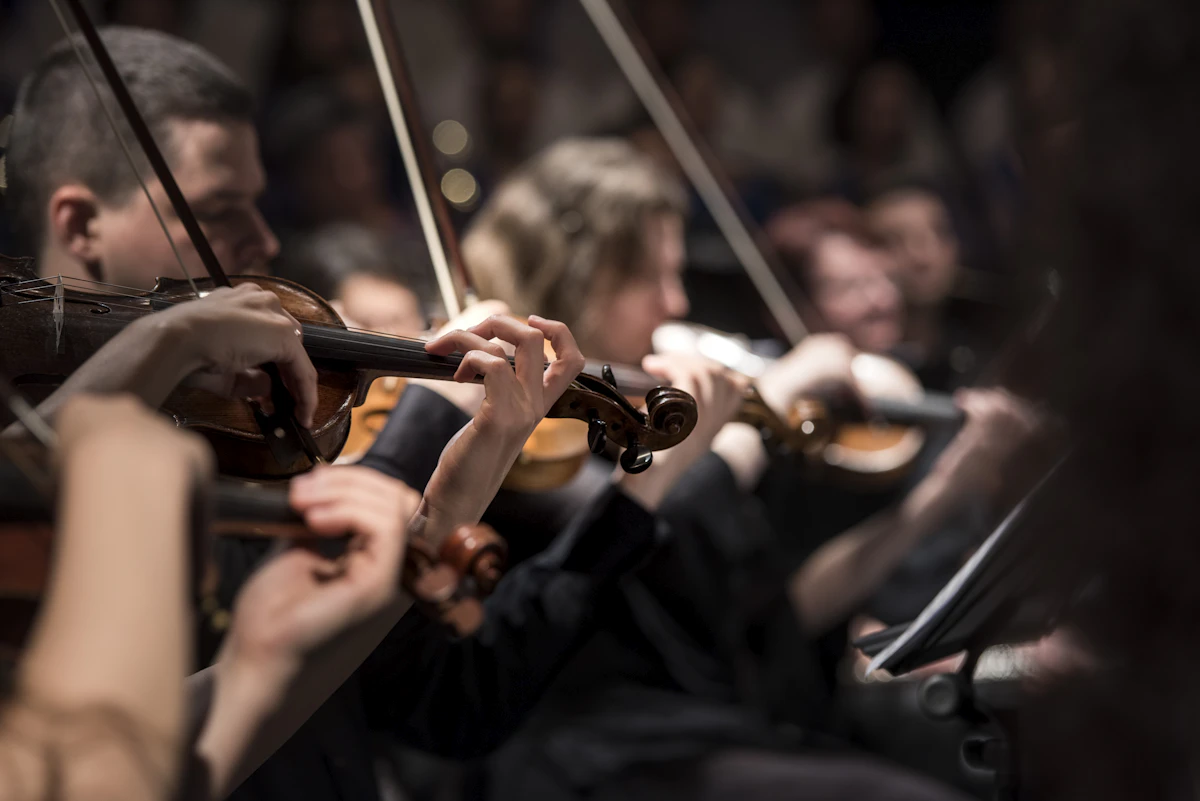
The symphony offers a more accessible entry point for many, with programs ranging from beloved classics to contemporary works. Reading a little about the evening's program beforehand deepens the experience, though simply letting the music wash over you is reward enough.
Beyond Lincoln Center
The performing arts in New York extend far beyond a single campus. Broadway and Off-Broadway theaters stage everything from blockbuster musicals to intimate dramas, while concert halls, jazz clubs, and small venues across the city host live performance every night.
Carnegie Hall remains a temple for music lovers, and downtown's experimental spaces push the boundaries of dance and theater. Whatever your taste, the city offers a performance to match it, often within a short subway ride of wherever you are staying.
Getting Tickets and Saving Money
Tickets span a wide range, and the best deals reward a little planning. Many companies offer discounted rush or standing-room tickets, student rates, and same-day options, while subscription previews and weekday performances often cost less than weekend showcases.
Official box offices and venue websites are the safest places to buy. For Broadway, reputable same-day discount booths can yield significant savings, and signing up for a venue's newsletter often unlocks early access to the best-value seats.
Making a Night of It
An evening at the performing arts pairs naturally with the neighborhood around it. The Upper West Side near Lincoln Center is full of restaurants suited to a pre-show dinner, and arriving early lets you enjoy the plaza and the buzz of the gathering crowd.
Dress is generally smart-casual, though some patrons relish the chance to dress up for a special performance. Whatever you wear, arrive in good time, silence your phone, and settle in. There are few better ways to feel the cultured heartbeat of New York.
Frequently Asked Questions
What is Lincoln Center?
Lincoln Center is a large performing arts complex on Manhattan's Upper West Side, home to leading opera, ballet, symphony, theater, and film organizations. Its grand plaza and concert halls make it a cultural landmark as well as a performance venue.
How can I get affordable performing arts tickets in New York?
Look for rush tickets, standing-room options, student discounts, and same-day deals offered by many companies. For Broadway, reputable discount booths and weekday performances often provide the best value, and venue newsletters can unlock early access.
Do I need to dress formally for the opera or ballet?
Formal attire is not required at most performances, and smart-casual clothing is widely accepted. That said, many guests enjoy dressing up for special occasions, and doing so is always welcome.
Is Lincoln Center worth visiting without a show?
Yes. The plaza, fountain, and architecture are striking, especially in the evening, and the campus hosts free and low-cost events throughout the year. It is a rewarding stop even for those not attending a ticketed performance.
Comments
Post a Comment