Photo: Rhododendrites , CC BY-SA 4.0 , via Wikimedia Commons Every week, someone books a hotel "in New York" that turns out to be a shuttle ride from an airport runway, and their whole trip inherits the mistake. Where you sleep in this city shapes everything: what you see out the window, where you eat breakfast, how much of your vacation you spend underground on the subway. The good news is that there's no single right answer — there's a right answer for you. Let's find it. First trip? Stay central, but not that central Midtown makes sense for first-timers: you can walk to Times Square, Broadway theaters, Rockefeller Center, and Central Park, and every train line in creation passes underneath. The trade-off is soul. Much of Midtown empties after office hours and the blocks immediately around Times Square never stop being Times Square. My compromise pick: stay south of the chaos, in the 20s and 30s — NoMad, Flatiron, Chelsea. You're fifteen minutes from ev...
For a city this dense, New York hides an astonishing amount of cultivated green. Beyond the famous parks lie the botanical gardens — hundreds of acres of curated landscapes, native forest, and glasshouses that stay warm and green even in February. They are among the most underrated days out in the five boroughs: quieter than the headline attractions, gorgeous in every season, and a genuine escape from the noise. Here is how to make the most of them.
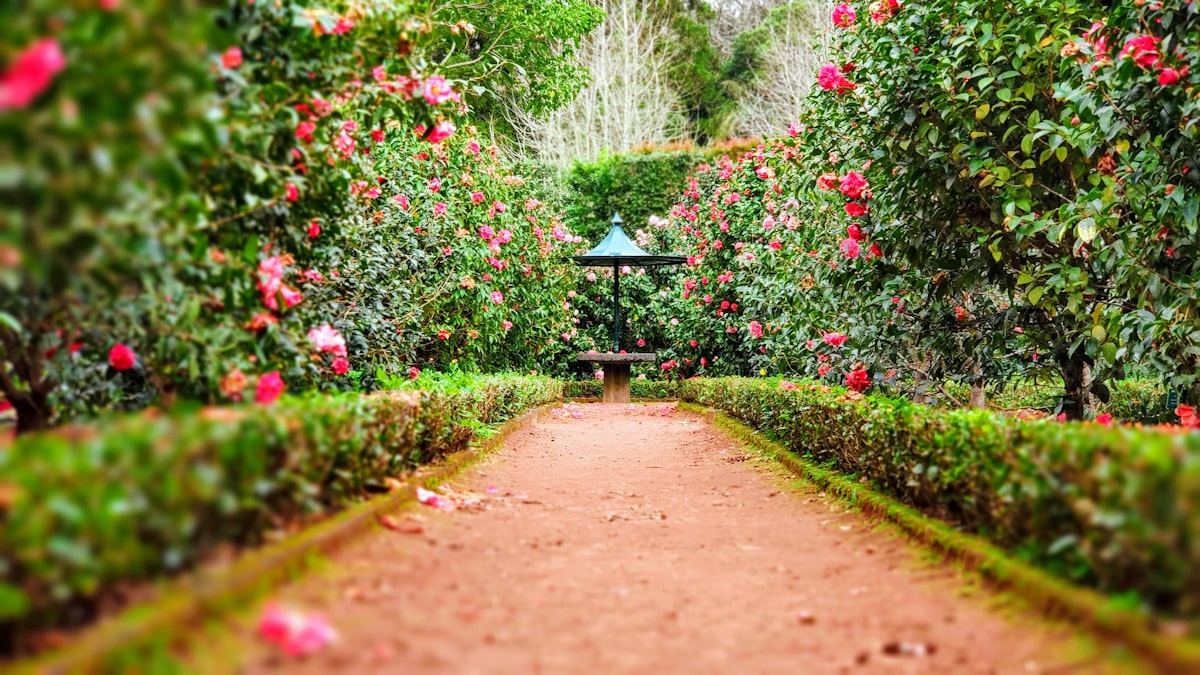
Photo via Unsplash
The New York Botanical Garden
In the Bronx, the New York Botanical Garden is the grand one — 250 acres that include one of the last remaining stretches of old-growth forest in the city, a rose garden, a rock garden, and the crown jewel: the Enid A. Haupt Conservatory, a soaring Victorian-style glasshouse that hosts a celebrated orchid show each winter and the immersive holiday train show in December. It is large enough that a full day barely covers it, and a Metro-North ride from Grand Central drops you almost at the gate.
Go in spring for the cherry blossoms and the daffodil hill, in summer for the perennial borders, and in deep winter for the warmth of the conservatory when the rest of the city is grey. There is genuinely no wrong season here, which is part of the appeal.
Brooklyn Botanic Garden
More compact and more intimate, the Brooklyn Botanic Garden sits beside Prospect Park and packs a remarkable variety into 52 acres. Its Japanese Hill-and-Pond Garden is one of the oldest of its kind in the country, and its esplanade of cherry trees draws crowds for the spring bloom and the Sakura Matsuri festival that celebrates it. A network of glasshouses, including a bonsai museum, keeps things lush year-round.
Because it is smaller and easy to reach by subway, the Brooklyn garden makes an ideal half-day, easily paired with the nearby Brooklyn Museum or a walk through Prospect Park.

Gardens in Queens and Beyond
The green does not stop there. Queens Botanical Garden in Flushing leans into sustainability and community, with a striking eco-friendly visitor center and gardens that reflect the borough’s extraordinary diversity. Snug Harbor on Staten Island offers a cluster of distinct gardens, including a beautiful Chinese Scholar’s Garden, on the grounds of a former sailors’ retirement home. Each rewards the effort it takes to reach it with smaller crowds and a real sense of discovery.
Together, these gardens make a case for treating the outer boroughs as destinations in their own right rather than detours, and a single one can fill an afternoon completely.
Planning Your Visit
A few practical notes make these trips smoother. Most gardens charge admission, and several offer a free or pay-what-you-wish window on a particular weekday morning, so it is worth checking before you go. Wear comfortable shoes — you will walk more than you expect — and bring water in summer. The conservatories make these gardens a strong rainy-day or cold-weather option, since the best of the glasshouse collections is gloriously indoors.
Above all, do not rush. These are places designed for a slow wander, a bench, and the rare city pleasure of birdsong drowning out the traffic.
Frequently Asked Questions
Which NYC botanical garden is best for a first visit?
For sheer scale and the spectacular conservatory, the New York Botanical Garden in the Bronx is the classic choice. If you want something more compact and subway-accessible, the Brooklyn Botanic Garden is a wonderful half-day.
Are there free admission days?
Several gardens offer free or pay-what-you-wish entry during set windows, often a weekday morning or a particular afternoon. Policies change seasonally, so check the garden’s site before your visit to confirm current hours.
When is the best time of year to go?
Spring brings cherry blossoms and bulbs, summer the perennial borders, and autumn rich foliage. In winter, the heated conservatories and the holiday train show make a visit worthwhile even on the coldest days.
How do I reach the New York Botanical Garden?
The simplest route is Metro-North from Grand Central to the Botanical Garden station, a short ride that leaves you steps from the entrance. Several subway and bus options also serve the Bronx location.
Have a favorite garden or a seasonal bloom we should flag? Our editorial team updates this guide through the year — reach us through the contact page.
Comments
Post a Comment